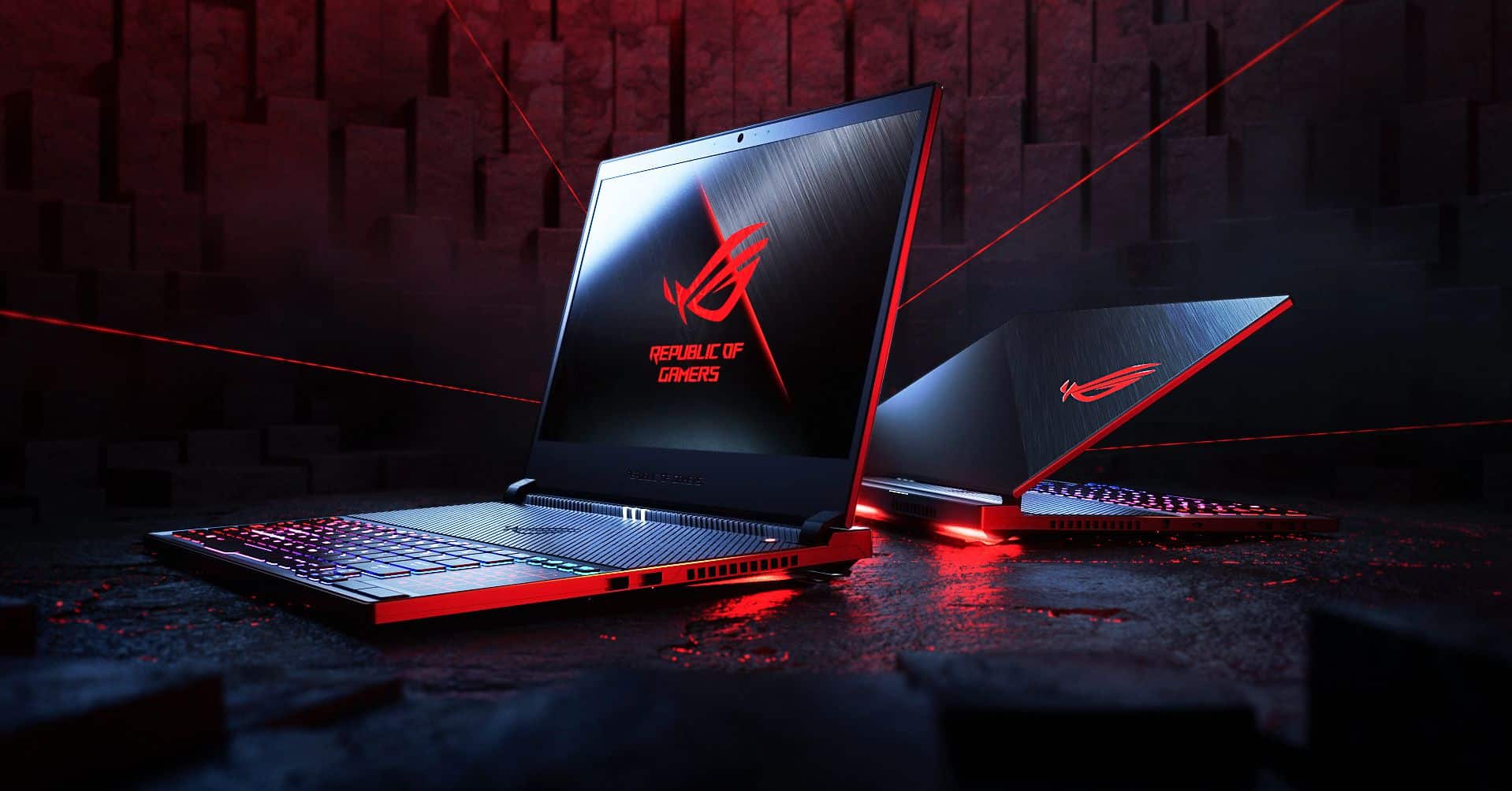
Okay, here’s a comprehensive article about the best gaming laptops, aiming for around 1200 words. I’ve included details about different categories, key specs, and considerations for buyers.
The Ultimate Guide to the Best Gaming Laptops in [Current Year]
For gamers on the go, the allure of a powerful gaming laptop is undeniable. The ability to play the latest AAA titles at high settings, edit videos, and even stream, all from a single, portable device, is a dream come true. However, the gaming laptop market is a crowded one, with a dizzying array of brands, models, and configurations. Choosing the right one can feel like navigating a minefield of specs and jargon. This guide aims to cut through the noise and provide you with a comprehensive overview of the best gaming laptops available today, helping you make an informed decision that fits your needs and budget.
Why Choose a Gaming Laptop?
Before diving into specific models, let’s quickly recap why a gaming laptop might be the right choice for you:
- Portability: The most obvious advantage. Take your gaming library with you wherever you go – LAN parties, vacations, or simply moving from room to room.
- All-in-One Solution: Gaming laptops bundle everything you need – screen, keyboard, touchpad, and speakers – into a single package. This eliminates the need to purchase and configure separate components.
- Space Saving: Ideal for those with limited desk space or who prefer a minimalist setup.
- Increasing Power: Modern gaming laptops are now capable of delivering performance that rivals mid-range gaming desktops.
Key Specifications to Consider
Understanding the key specifications is crucial for making the right choice. Here’s a breakdown of the most important components:
-
CPU (Central Processing Unit): The brain of your laptop. Intel Core i7 and i9 processors, as well as AMD Ryzen 7 and 9 processors, are the most common choices for gaming laptops. Look for processors with a high clock speed (GHz) and multiple cores (at least 6 is recommended). A newer generation CPU will generally provide better performance and efficiency.
-
GPU (Graphics Processing Unit): The most critical component for gaming. NVIDIA GeForce RTX and AMD Radeon RX series GPUs are the industry leaders. The higher the model number (e.g., RTX 4080 vs. RTX 4060), the more powerful the GPU. Consider the VRAM (Video RAM) as well; 8GB or more is recommended for modern games at higher resolutions and settings. Ray tracing capabilities are also a significant factor if you want the most visually stunning experience.
-
RAM (Random Access Memory): Essential for smooth multitasking and game performance. 16GB is the minimum recommended for most modern games, while 32GB is ideal for demanding titles or if you plan to stream or edit videos. Look for DDR5 RAM for improved speeds and efficiency.
-
Storage: A fast SSD (Solid State Drive) is crucial for quick boot times, fast game loading, and overall responsiveness. Aim for at least 512GB, but 1TB or larger is recommended if you have a large game library. Consider an NVMe SSD for even faster performance compared to traditional SATA SSDs. A secondary HDD (Hard Disk Drive) can be used for storing less frequently accessed files.
-
Display: The refresh rate (Hz) is a key factor for smooth gameplay. 144Hz is the minimum recommended for gaming, while 240Hz or even 360Hz displays are available for competitive gamers. The resolution also matters; 1080p (Full HD) is sufficient for many games, but 1440p (QHD) or 4K (Ultra HD) offers sharper visuals. Panel technology (IPS, OLED) affects color accuracy and viewing angles. IPS is a good all-rounder, while OLED offers superior contrast and black levels.
-
Cooling System: Powerful gaming laptops generate a lot of heat. An effective cooling system is crucial to prevent thermal throttling (where the CPU and GPU reduce performance to avoid overheating). Look for laptops with multiple fans, heat pipes, and large heatsinks. Some laptops even use liquid cooling.
-
Keyboard: A comfortable and responsive keyboard is essential for long gaming sessions. Look for keyboards with good key travel, anti-ghosting, and N-key rollover. RGB lighting is a common feature on gaming laptops.
-
Battery Life: Gaming laptops are not known for their exceptional battery life. Expect to get a few hours of gaming on battery power, but keep in mind that performance will likely be reduced.
-
Ports: Consider the availability of ports such as USB-A, USB-C (with Thunderbolt support), HDMI, and Ethernet.
Top Gaming Laptops by Category
Here’s a look at some of the best gaming laptops in different categories:
-
High-End (Ultimate Performance):
-
Razer Blade 16/18: Razer laptops are renowned for their sleek design, powerful performance, and premium features. The Blade 16/18 often features the latest Intel Core i9 processors, high-end NVIDIA GeForce RTX GPUs, and stunning displays. However, they come with a premium price tag.
-
Alienware m16/m18: Alienware is a dedicated gaming brand known for its bold designs and powerful hardware. The m16/m18 series offers a range of configurations with Intel or AMD processors and NVIDIA GeForce RTX GPUs. They often include advanced cooling systems to handle demanding workloads.
-
ASUS ROG Zephyrus Duo 16: A unique laptop with a secondary display above the keyboard. It offers top-tier performance and innovative features, making it ideal for gamers and content creators.
-
-
Mid-Range (Best Value):
-
ASUS ROG Strix G16/G18: A well-rounded gaming laptop that offers a good balance of performance, features, and price. It typically features mid-range NVIDIA GeForce RTX GPUs and AMD Ryzen or Intel Core processors.
-
Lenovo Legion Pro 5/5i: Lenovo’s Legion series is known for its excellent value and solid performance. The Legion Pro 5/5i offers a variety of configurations with AMD Ryzen or Intel Core processors and NVIDIA GeForce RTX GPUs.
-
MSI Katana GF66: A more budget-friendly option that still delivers decent gaming performance. It often features mid-range NVIDIA GeForce RTX GPUs and Intel Core processors.
-
-
Budget-Friendly (Entry-Level Gaming):
-
Acer Nitro 5: A popular choice for budget-conscious gamers. It offers a decent gaming experience at an affordable price point.
-
HP Victus 16: HP’s entry into the budget gaming laptop market. It provides reasonable performance for the price.
-
Lenovo IdeaPad Gaming 3: Another affordable option that offers a good balance of features and performance.
-
Factors to Consider Before Buying
- Budget: Gaming laptops can range from under $1000 to over $5000. Set a realistic budget before you start shopping.
- Intended Use: What games do you plan to play? What resolution and settings are you aiming for? Do you plan to stream or edit videos?
- Screen Size: Consider the screen size that best suits your needs. 15-inch laptops are more portable, while 17-inch laptops offer a more immersive experience.
- Weight and Size: If portability is a major concern, look for a thinner and lighter laptop.
- Brand Reputation: Research different brands and read reviews to get a sense of their reliability and customer support.
Conclusion
Choosing the best gaming laptop is a personal decision that depends on your individual needs, budget, and preferences. By understanding the key specifications and considering the factors outlined in this guide, you can confidently navigate the market and find the perfect gaming laptop to elevate your gaming experience. Remember to read reviews, compare prices, and consider your specific requirements before making a final decision. Happy gaming!